
Introduction
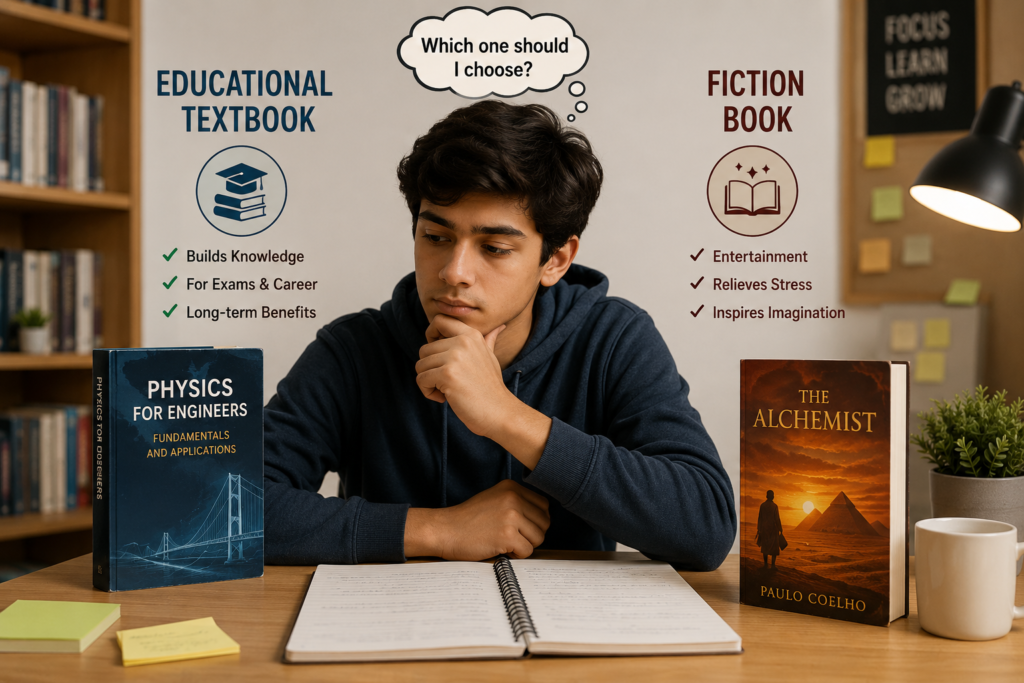
Reading can serve many different purposes. Sometimes people read because they want to learn something new, complete an assignment, or conduct research. At other times, they read simply because they enjoy a good story or want to explore an interesting subject.
These two approaches can be described as reading for learning and reading for pleasure.
Although they have different purposes, neither type of reading is more important than the other. Reading for learning can support academic and professional development, while reading for pleasure can make reading enjoyable and encourage people to continue reading regularly.
Understanding the difference between the two can help students and general readers create a balanced reading routine.
What Is Reading for Learning?
Reading for learning is usually done with a specific educational purpose.
A student may read a textbook to understand a chapter, a research paper to investigate a topic, or an educational article to learn about a particular concept.
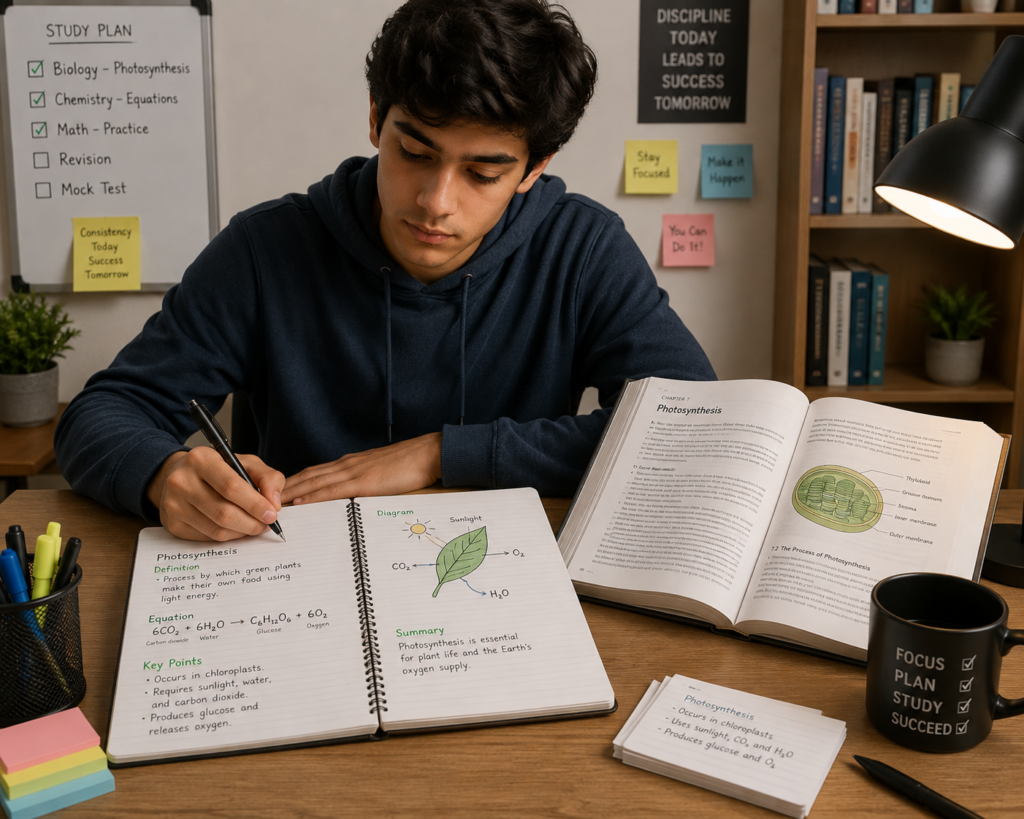
This type of reading often requires active concentration and may involve note-taking, highlighting, summarizing, or reviewing information.
Examples include:
- Textbooks
- Academic books
- Research papers
- Educational articles
- Reference materials
- Study guides
- Technical documentation
The main goal is to understand and retain useful information.
What Is Reading for Pleasure?
Reading for pleasure is reading because you enjoy the experience.
You might read a novel, short story, biography, magazine, or another type of book simply because the subject interests you.
There does not need to be an examination, assignment, or research project involved.
Examples include:
- Novels
- Short stories
- Poetry
- Fiction
- Biographies
- Travel writing
- Personal-interest books
The main purpose is enjoyment, relaxation, curiosity, or personal interest.
Why Both Types of Reading Matter
It can be tempting to think that educational reading is more valuable because it directly supports academic goals. However, reading for pleasure also has an important role.
If every reading session feels like studying, some people may eventually lose motivation.
Pleasurable reading can make reading feel enjoyable rather than obligatory. This can encourage people to read more frequently and explore subjects they would not normally encounter in their studies.
At the same time, learning-focused reading provides structured opportunities to develop knowledge and skills.
A balanced reading routine can include both.
1. Different Purposes
The biggest difference is the purpose behind the reading.
When reading for learning, you may begin with a question:
“What do I need to understand?”
When reading for pleasure, you may simply think:
“What would I enjoy reading?”
Neither question is wrong. They simply lead to different reading experiences.
2. Different Reading Speeds
Reading speed can also vary.
Educational material may require slower reading because you need to understand technical terms, arguments, examples, or explanations.
Pleasure reading may sometimes be faster because you are mainly following a story or exploring familiar subjects.
However, reading speed should always depend on the material and your purpose.
Understanding is more important than finishing quickly.
3. Different Levels of Note-Taking
Learning-focused reading often involves taking notes.
A student might record:
- Definitions
- Important concepts
- Examples
- Questions
- Key arguments
When reading for pleasure, note-taking may not be necessary at all.
Some readers may still keep notes about favorite books, interesting ideas, or memorable passages, but it is completely optional.
4. Different Expectations
When reading for learning, you may expect to remember specific information.
For example, a student reading a science chapter may need to understand definitions and processes for an examination.
Pleasure reading usually has fewer expectations. You can simply enjoy the story, characters, writing style, or subject.
This difference can affect how much effort you put into each reading session.
5. Reading for Learning Develops Academic Skills
Educational reading supports several important academic abilities.
Students can improve their:
- Comprehension
- Vocabulary
- Research skills
- Analytical thinking
- Note-taking
- Information evaluation
- Written communication
These skills can be useful across different subjects.
For example, a student studying computer science needs to understand technical information, while a history student needs to interpret historical sources.
6. Reading for Pleasure Encourages Motivation
Enjoyable reading can help people develop a positive relationship with books.
When readers choose subjects that genuinely interest them, reading may feel less like a task and more like a personal activity.
This can be especially useful for students who feel that reading is only associated with homework and examinations.
Allowing students to choose some of their own reading material can encourage greater independence and motivation.
7. Pleasure Reading Can Introduce New Ideas
Reading for enjoyment does not mean that readers learn nothing.
A novel may introduce a historical period, a different culture, or a social issue. A biography can teach readers about someone’s experiences. A science-fiction story may encourage readers to think about technology and the future.
Learning can happen naturally even when it is not the primary purpose of the reading.
8. Learning-Focused Reading Can Be Enjoyable Too
The difference between learning and pleasure is not always strict.
Many people genuinely enjoy educational books, research, history, science, technology, and other informational subjects.
A student who loves astronomy may read a science book for both knowledge and enjoyment.
This shows that learning and pleasure can overlap.
9. Digital Libraries Support Both Purposes
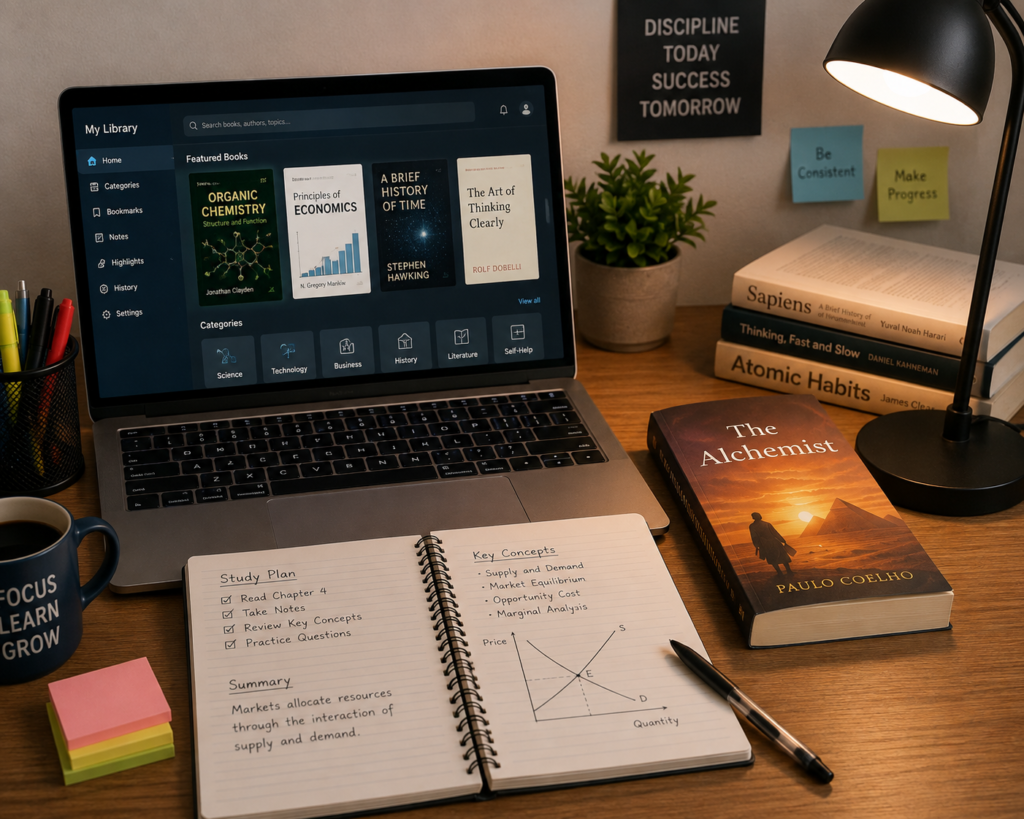
Digital libraries can provide resources for both learning and personal reading.
Depending on the collection, users may find:
- eBooks
- Academic publications
- Research papers
- Educational resources
- Literature
- Reference materials
Search and filtering tools can help readers discover material according to subject, author, or resource type.
When using a digital library, readers should follow its access rules and respect copyright and licensing requirements.
10. How Students Can Balance Both
Students often have limited time, so balance is important.
One approach is to divide reading time according to your needs.
For example:
Study Reading: Use part of your reading time for textbooks, academic articles, or research.
Pleasure Reading: Use another part for novels, stories, biographies, or subjects you personally enjoy.
The exact balance depends on your schedule and goals.
During examination periods, study reading may naturally take more time. During holidays, you may have more opportunities for pleasure reading.
11. Choose the Right Material for the Situation
The type of material you choose should match what you want to accomplish.
If you need to understand a school topic, choose a reliable educational resource.
If you want to relax after a busy day, a novel or other enjoyable book may be more appropriate.
If you are researching a project, look for credible academic sources.
Matching the resource to the purpose makes reading more effective.
12. Active Reading for Learning
When reading educational material, active reading can improve understanding.
Try to:
- Preview the chapter.
- Identify the main topic.
- Ask questions.
- Read carefully.
- Take short notes.
- Summarize important ideas.
- Review your notes later.
This process helps you engage with the information rather than simply reading words without processing them.
13. Relaxed Reading for Pleasure
Pleasure reading can be more flexible.
You can choose where and when to read, switch between genres, and stop when you need a break.
You do not need to analyze every sentence or take notes unless you personally want to.
The freedom of pleasure reading is part of what makes it enjoyable.
14. Avoid Turning Reading Into a Competition
Readers sometimes compare themselves based on how many books they complete.
However, reading is a personal activity.
Someone may read five short books while another person spends several weeks studying one complex academic book. Neither approach is automatically better.
Focus on whether your reading is helping you learn, think, or enjoy your time.
15. Create a Balanced Reading List
A balanced reading list can contain different categories.
For example:
Academic
Textbooks, educational articles, and research materials.
Personal Interest
Books about subjects you want to explore.
Fiction
Novels and short stories.
Reference
Materials that you can return to when you need specific information.
Having variety makes it easier to choose something appropriate for different situations.
Common Mistakes to Avoid
Treating Every Book Like a Textbook
Not every book requires detailed notes or analysis.
Reading Only for School
This can make reading feel like an obligation.
Reading Only for Entertainment
Pleasure reading is valuable, but educational reading is also important for students and lifelong learners.
Choosing Books Only Because They Are Popular
Popularity does not guarantee that a book is appropriate for your particular goal.
Focusing Too Much on Speed
Understanding is more important than finishing quickly.
A Simple Weekly Reading Plan
A flexible weekly routine might look like this:
Monday: Educational article
Tuesday: Textbook or academic resource
Wednesday: Fiction or biography
Thursday: Research material
Friday: Personal-interest book
Saturday: Longer reading session
Sunday: Review notes or read for pleasure
This is only an example. Your schedule should be adjusted according to your studies and available time.
How to Get More From Every Reading Session
Before reading, identify your purpose.
During reading, stay focused and engage with the material.
After reading, think about what you learned or enjoyed.
For academic material, summarize important points.
For pleasure reading, consider what made the book interesting to you.
This simple three-stage approach can make reading more meaningful.
Conclusion
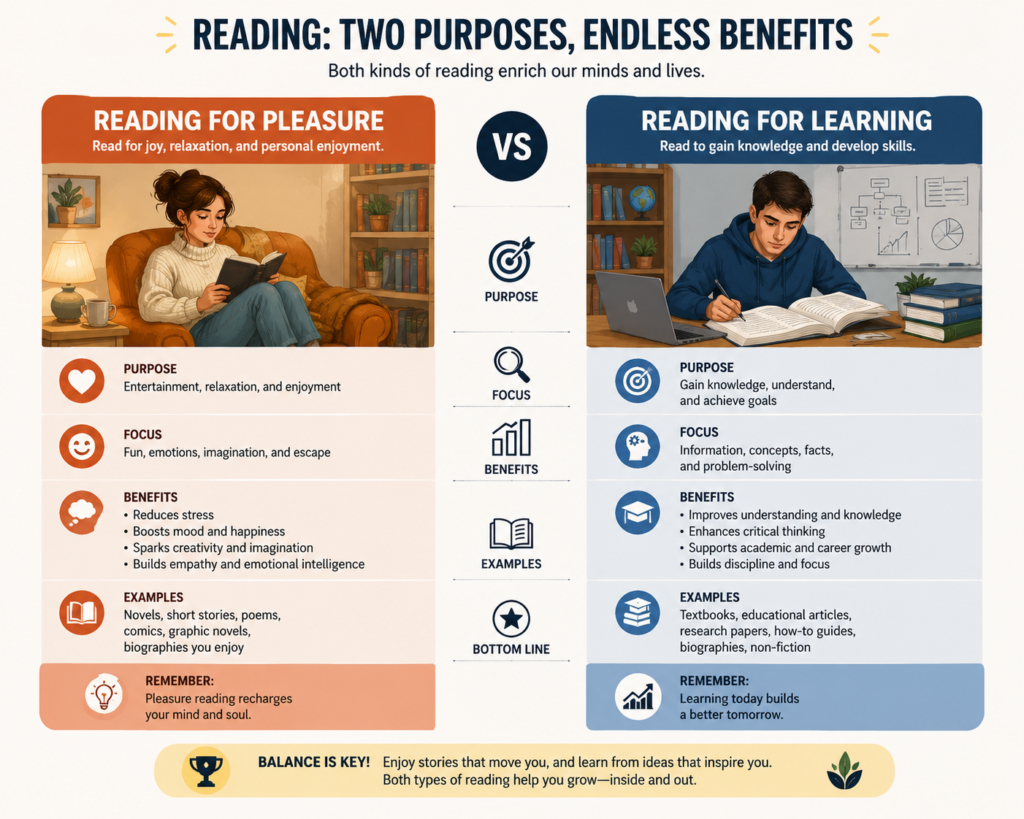
Reading for pleasure and reading for learning have different purposes, but both can contribute to a healthy reading routine.
Learning-focused reading helps students build knowledge, research skills, comprehension, and critical thinking. Pleasure reading encourages enjoyment, curiosity, and motivation to continue reading.
The two approaches do not need to compete. In fact, combining them can create a balanced routine that supports both education and personal enjoyment.
The most important thing is to choose appropriate material for your current goal. When you need to study, select reliable educational resources. When you want to relax or explore an interest, choose something you genuinely enjoy.
With a balanced approach, reading can become both a valuable learning tool and an enjoyable part of everyday life.
Frequently Asked Questions
1. What is reading for learning?
Reading for learning involves reading with the purpose of gaining knowledge, understanding a subject, completing academic work, or conducting research.
2. What is reading for pleasure?
Reading for pleasure means reading because you enjoy the subject, story, writing, or overall experience.
3. Is reading for pleasure useful for students?
Yes. It can encourage motivation, vocabulary development, curiosity, and a positive attitude toward reading.
4. Should students read both fiction and non-fiction?
Yes. Fiction and non-fiction can provide different types of experiences and knowledge.
5. Do I need to take notes when reading for pleasure?
No. Note-taking is optional when reading for enjoyment.
6. Can educational reading also be enjoyable?
Absolutely. Many readers enjoy subjects such as science, history, technology, literature, and other educational topics.
7. How can I balance study reading and pleasure reading?
Create a flexible schedule that includes both academic materials and books or articles that interest you personally.
8. Can digital libraries support both types of reading?
Yes. Depending on their collections and access policies, digital libraries can provide educational resources as well as literature and other reading materials.