
Introduction
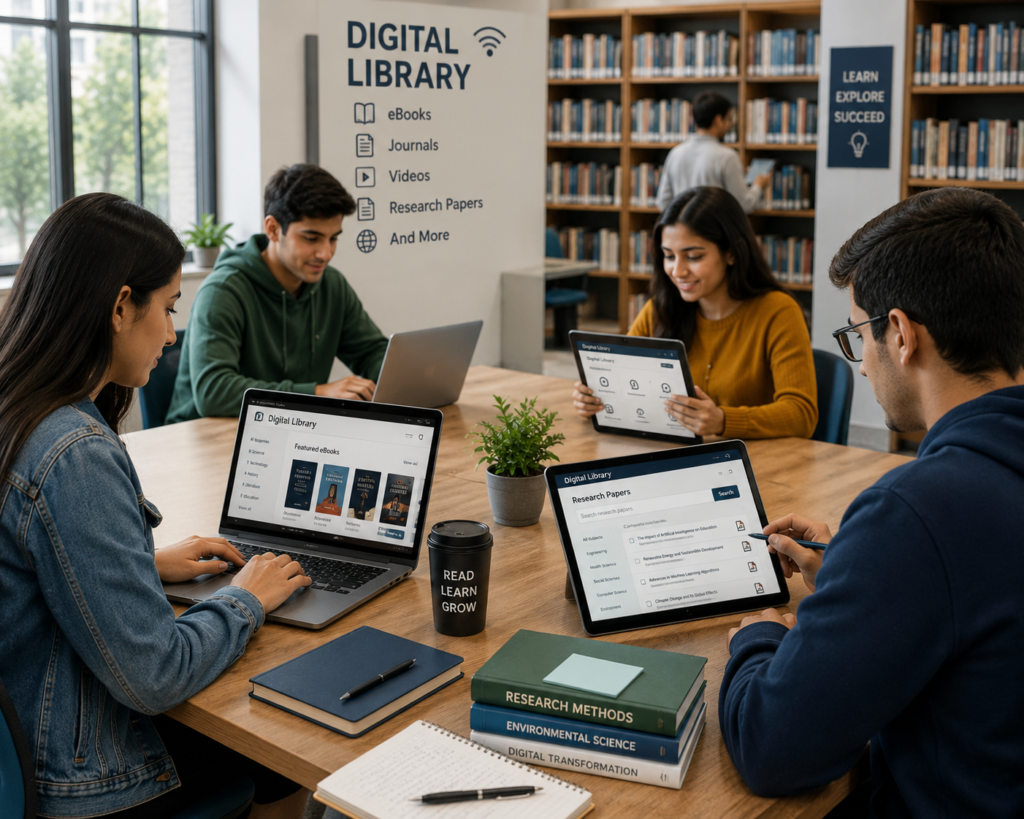
Education has changed significantly over the past few decades. While printed books remain valuable, digital technology has made learning more flexible and accessible than ever before. Students no longer need to spend hours searching library shelves to find a single textbook or research paper. Instead, they can access thousands of educational resources within minutes through digital libraries.
A digital library is more than a collection of electronic books. It is an organized platform that provides access to eBooks, academic journals, research papers, magazines, historical documents, multimedia resources, and other educational materials. These resources help learners gain knowledge efficiently, regardless of their location.
For students, digital libraries simplify studying, improve research skills, and support independent learning. For researchers, they provide access to current academic publications, reliable references, and specialized databases that save time and improve research quality. Teachers and professionals also benefit from the ability to discover updated educational materials and share knowledge more effectively.
This article explores the major benefits of digital libraries and explains why they have become an essential part of modern education and academic research.
Why Digital Libraries Matter Today
The internet has transformed how information is created and shared. Educational institutions, universities, and public organizations now publish millions of digital resources that can be accessed from computers, tablets, and smartphones.
Digital libraries help bridge geographical barriers by making educational content available to learners around the world. Instead of depending solely on printed collections, users can often access information from home, schools, universities, or workplaces.
As online education continues to grow, digital libraries play an increasingly important role in supporting students, researchers, and lifelong learners.
1. Easy Access to Educational Resources
One of the greatest advantages of digital libraries is the ability to access a wide range of educational materials from a single platform. Users can search for textbooks, journals, research papers, dissertations, reference books, and multimedia resources within seconds.
Instead of visiting multiple libraries, learners can often find everything they need in one organized digital collection. This convenience saves time and allows users to focus more on learning than searching.
2. Learning Anytime and Anywhere
Unlike traditional libraries with fixed opening hours, digital libraries are available whenever users need them, subject to the library’s access policies.
Students can study before class, after work, or late at night using their preferred devices. This flexibility supports distance learning, online education, and self-paced study, making education more accessible for people with different schedules.
3. Faster Research
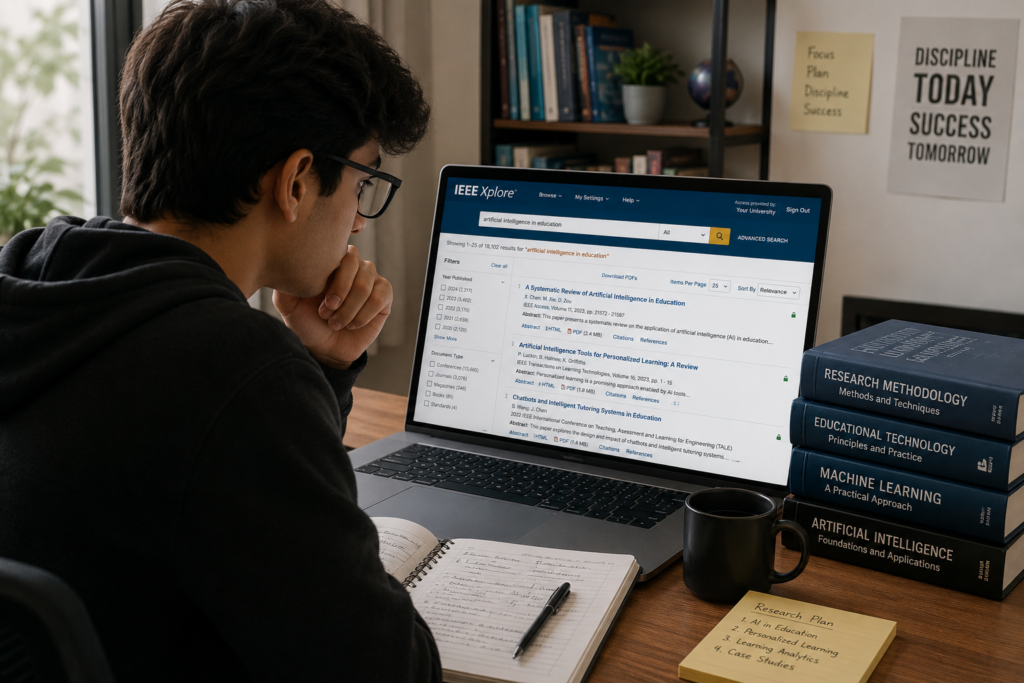
Research often requires consulting multiple sources before reaching a conclusion. Digital libraries simplify this process by offering powerful search tools, subject filters, author searches, and keyword-based discovery.
Researchers can quickly identify relevant publications, compare different viewpoints, and access scholarly materials more efficiently than through manual searching.
4. Supports Independent Learning
Digital libraries encourage learners to explore topics beyond their classroom curriculum. Students can discover additional books, articles, and educational resources that deepen their understanding of subjects they find interesting.
Independent learning helps develop curiosity, critical thinking, and problem-solving skills, which are valuable in both academic and professional life.
5. Cost-Effective Learning
One of the biggest advantages of digital libraries is that they can significantly reduce educational expenses. Purchasing printed textbooks, reference books, and research journals can be costly, especially for students pursuing higher education.
Many digital libraries provide access to free public-domain books, open educational resources, and institutional collections. Even subscription-based digital libraries often cost less than buying multiple printed books. This makes quality education more affordable for students around the world.
6. Access to Updated Information
Knowledge evolves rapidly in fields such as medicine, technology, engineering, business, and science. Printed books may become outdated after a few years, while digital libraries can update their collections much more frequently.
Students and researchers benefit from access to the latest editions of books, recent research papers, conference proceedings, and scholarly journals. Having current information improves academic work and ensures that research is based on reliable and up-to-date sources.
7. Better Organization of Study Materials
Digital libraries allow users to organize learning materials efficiently. Many platforms enable readers to create bookmarks, save favorite resources, highlight important passages, and build personal reading lists.
This organization makes it easier to revisit important information during exam preparation or while completing assignments and research projects.
8. Powerful Search Features
Searching for information in a traditional library may require browsing through many books before finding the right chapter. Digital libraries simplify this process through advanced search tools.
Users can search by:
- Book title
- Author name
- Subject
- Keywords
- Publication year
- Language
- File format
These features help users locate relevant resources within seconds, making study sessions more productive.
9. Benefits for Researchers
Researchers rely on accurate and credible information. Digital libraries provide access to academic journals, peer-reviewed articles, conference papers, dissertations, and institutional publications.
Instead of spending days searching through multiple physical libraries, researchers can explore thousands of scholarly resources from one platform. Advanced filters help narrow search results, while citation tools simplify referencing and academic writing.
Digital libraries also promote international collaboration by allowing researchers from different countries to access similar resources and stay informed about the latest developments in their fields.
10. Benefits for Teachers
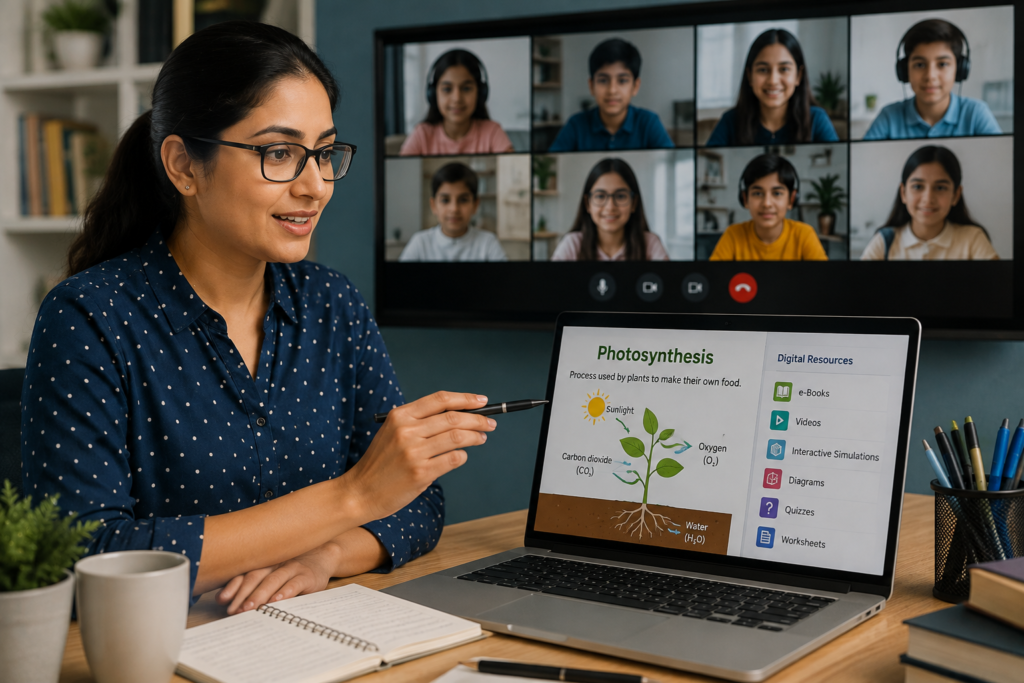
Teachers use digital libraries to enhance classroom learning and prepare better educational materials. Access to updated books, lesson plans, teaching guides, and multimedia resources helps them create more engaging lessons.
Digital libraries also support online and blended learning by enabling teachers to recommend additional reading materials that students can access independently.
As education becomes increasingly digital, teachers benefit from having reliable educational resources available throughout the academic year.
11. Supports Remote and Online Learning
Distance education has become more common in recent years. Digital libraries play a vital role by ensuring that students studying from home have access to the same educational materials as those attending classes on campus.
Whether learners are enrolled in online degree programs, professional training courses, or self-study programs, digital libraries provide valuable support by making learning resources easily accessible.
12. Encourages Lifelong Learning
Learning should not end after graduation. Digital libraries encourage lifelong learning by providing access to educational materials for professionals, hobbyists, and anyone interested in expanding their knowledge.
People can learn new languages, improve technical skills, explore history, study business strategies, or simply enjoy reading literature throughout their lives.
13. Environmentally Friendly
Digital libraries help reduce the need for printing, paper, and physical storage. While electronic devices still require energy and resources, digital collections can lower paper consumption by making many documents available electronically. This supports more sustainable learning practices and helps preserve printed materials that may be rare or fragile.
14. Preserving Valuable Knowledge
Many historical books, manuscripts, photographs, and research documents are at risk of damage due to age and environmental conditions. Digital libraries help preserve these valuable resources by creating digital copies that can be stored securely and shared with users around the world.
This preservation ensures that future generations can continue to access important cultural, historical, and educational information.
Challenges of Digital Libraries
Although digital libraries offer many advantages, they also have some limitations.
Internet Connectivity
Many digital libraries require a stable internet connection. Users living in remote areas with limited internet access may face difficulties using online resources.
Copyright Restrictions
Not all books and research materials are freely available. Many publications are protected by copyright and require subscriptions, institutional access, or permission from the publisher.
Screen Fatigue
Reading on a screen for long periods may cause eye strain or fatigue for some users. Taking regular breaks and using comfortable reading settings can help reduce this issue.
Digital Skills
Some users may need basic digital literacy skills to search efficiently, evaluate sources, and use advanced library features.
Tips for Making the Most of Digital Libraries
To use digital libraries effectively:
- Use specific keywords when searching.
- Apply filters to narrow search results.
- Save useful resources in bookmarks or collections.
- Verify publication dates for current topics.
- Compare information from multiple reliable sources.
- Respect copyright and licensing terms.
- Take notes while reading to improve understanding.
These habits help students and researchers work more efficiently and make better use of digital resources.
Conclusion
Digital libraries have become one of the most valuable educational tools of the modern era. They provide students, teachers, researchers, and lifelong learners with quick access to books, journals, research papers, and other learning materials from almost anywhere.
Their ability to save time, reduce educational costs, support independent learning, and provide updated information makes them an essential part of today’s academic environment. Although challenges such as internet access and copyright restrictions still exist, the overall benefits of digital libraries are far greater.
As technology continues to advance, digital libraries will become even more accessible, intelligent, and user-friendly. They will continue to play a major role in supporting education, research, and the global sharing of knowledge.
Frequently Asked Questions (FAQs)
1. What are the main benefits of digital libraries?
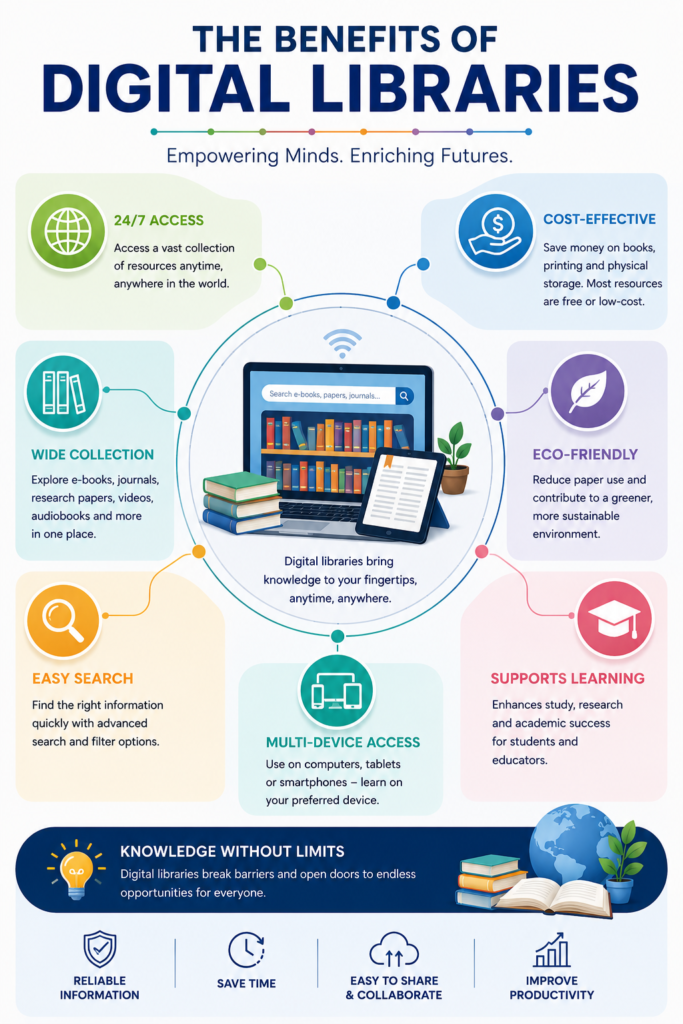
Digital libraries provide convenient access to educational resources, save time, support research, and enable learning from almost anywhere.
2. Why are digital libraries important for students?
They help students access textbooks, research papers, and learning materials quickly, improving study efficiency and independent learning.
3. How do digital libraries help researchers?
Researchers can access scholarly articles, journals, dissertations, and other academic resources more efficiently through advanced search tools.
4. Can digital libraries replace traditional libraries?
Digital libraries complement traditional libraries by expanding access to information, but physical libraries remain valuable for printed collections and community learning.
5. Are digital libraries free?
Some digital libraries provide free access to public-domain and open-access materials, while others require subscriptions or institutional access.
6. What devices can be used to access digital libraries?
Users can access digital libraries through laptops, desktop computers, tablets, smartphones, and other compatible devices.
7. Are digital libraries useful for teachers?
Yes. Teachers can find updated educational resources, lesson materials, and reference content to improve classroom instruction.
8. What is the future of digital libraries?
Digital libraries are expected to become more advanced through artificial intelligence, personalized recommendations, improved accessibility, and enhanced digital learning experiences.