
Introduction
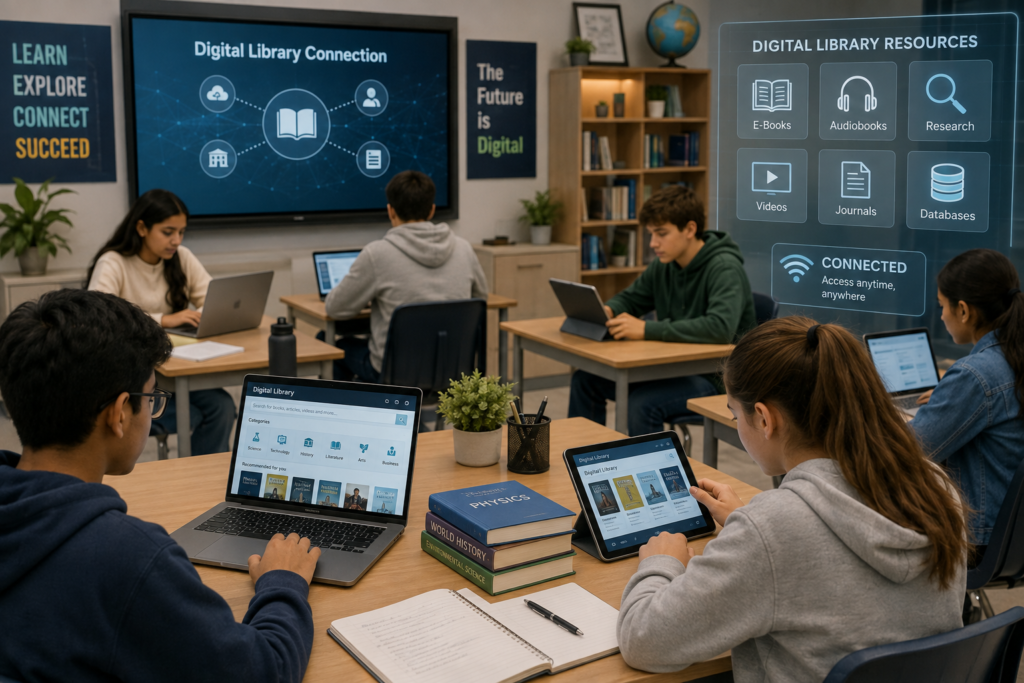
Education has changed dramatically in the digital age. In the past, students relied mainly on printed textbooks and physical libraries to find information. Today, digital libraries have transformed the learning experience by making educational resources available online. Whether someone is studying at school, attending university, or learning independently, digital libraries provide quick access to books, research papers, journals, and other valuable learning materials.
Digital libraries have become an essential part of modern education because they remove geographical barriers and make knowledge available to more people. Students can study from home, teachers can access updated teaching materials, and researchers can discover the latest academic publications without traveling to multiple libraries.
This article explores how digital libraries are changing education, improving learning experiences, and helping build a more connected and informed society.
The Evolution of Education
For centuries, education depended heavily on physical classrooms, printed books, and traditional libraries. While these resources remain valuable, technological advancements have expanded the ways people learn.
The widespread availability of the internet, smartphones, tablets, and laptops has allowed educational institutions to digitize learning materials. Today, many schools, colleges, and universities use digital libraries to support both classroom teaching and online education.
Digital libraries have become an important bridge between traditional education and modern digital learning, giving learners access to information whenever they need it.
Improving Access to Knowledge
One of the biggest contributions of digital libraries is making educational resources more accessible.
Students living in remote areas may have limited access to large physical libraries. Digital libraries help overcome this challenge by providing access to books, journals, educational articles, and other resources through the internet.
This increased accessibility creates more equal learning opportunities and allows students from different backgrounds to benefit from quality educational materials.
Supporting Online Learning
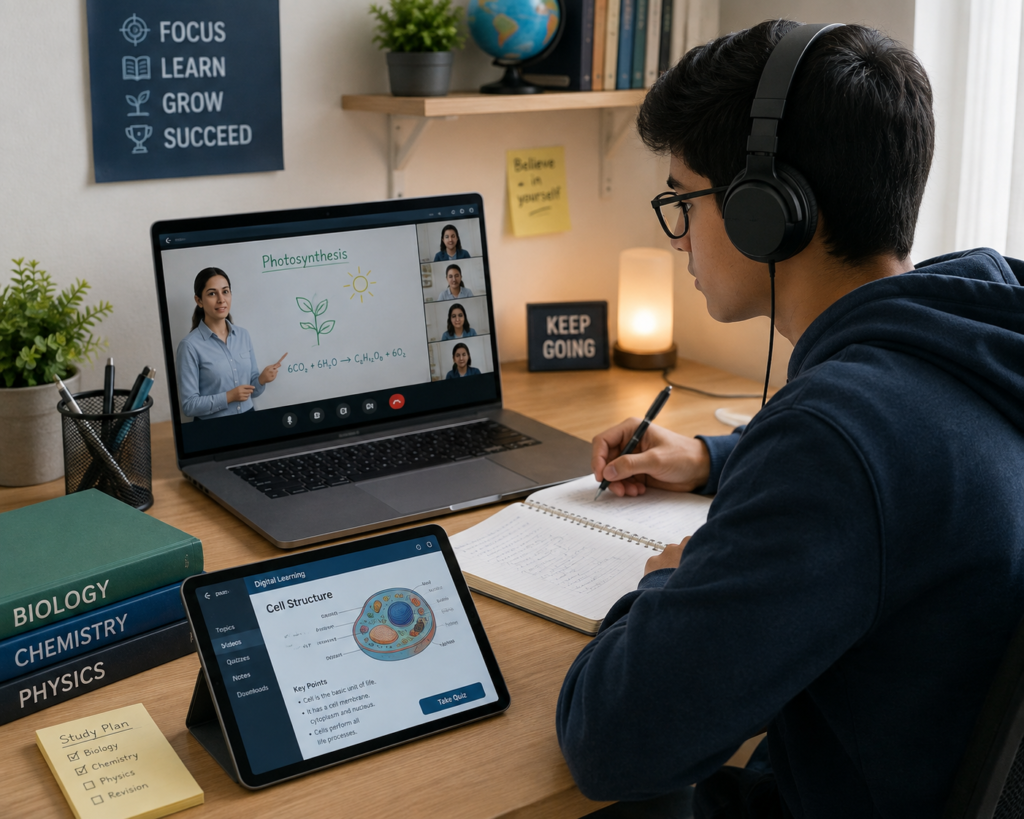
Online education has grown rapidly in recent years. Digital libraries provide the learning resources that online students need to complete assignments, conduct research, and expand their understanding of different subjects.
Instead of depending only on classroom lectures, learners can explore additional books and scholarly articles that strengthen their knowledge and improve academic performance.
Digital libraries also allow learners to study at their own pace, making education more flexible for people with busy schedules.
Encouraging Independent Learning
Digital libraries encourage students to become active learners.
Instead of waiting for teachers to provide every resource, students can search for books, journals, and educational materials independently. This develops research skills, curiosity, and critical thinking.
Independent learning also prepares students for higher education and professional careers, where self-directed learning becomes increasingly important.
Benefits for Teachers
Digital libraries have become valuable tools for teachers by providing quick access to reliable educational resources. Instead of relying on a single textbook, teachers can use multiple references, academic journals, eBooks, and multimedia materials to prepare engaging lessons.
Teachers can also stay updated with the latest educational trends and research, helping them improve their teaching methods. By integrating digital resources into classroom activities, they create a more interactive and effective learning environment.
Supporting Schools and Universities
Educational institutions benefit greatly from digital libraries because they can provide thousands of learning resources without requiring additional physical storage.
Universities use digital libraries to support research, online learning, and academic collaboration. Schools use them to supplement classroom teaching and encourage students to read beyond their textbooks.
Digital libraries also make it easier for institutions to share learning materials with students studying on campus or remotely.
Personalized Learning Experience
Every student learns differently. Some prefer reading eBooks, while others learn better through videos, interactive resources, or research articles.
Digital libraries support personalized learning by allowing users to choose resources that match their learning style and interests. Students can also study at their own pace, revisit difficult topics, and explore additional materials whenever needed.
This flexibility improves confidence and encourages continuous learning.
Encouraging Collaboration
Modern education often involves teamwork and collaborative learning. Digital libraries support collaboration by providing shared access to educational resources.
Students working on group projects can refer to the same research papers, books, and academic articles regardless of their location. Teachers can also recommend specific resources to an entire class, ensuring everyone has access to the same learning materials.
Improving Research Skills
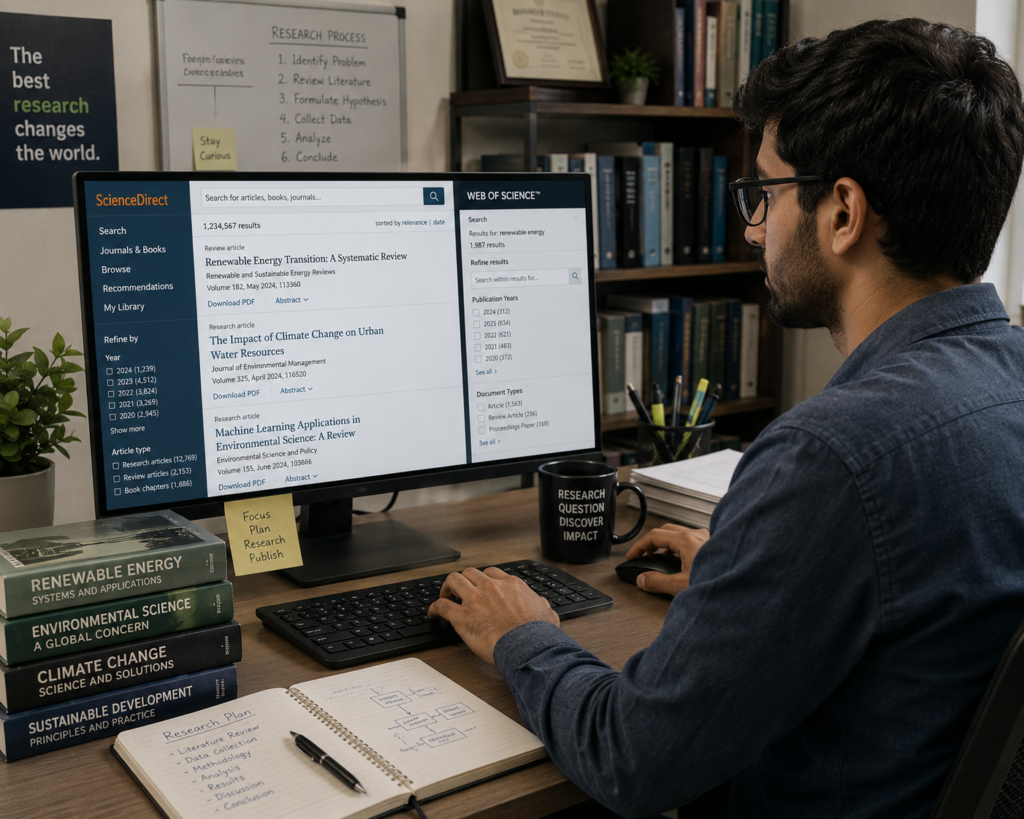
Research is an essential part of education, especially in colleges and universities.
Digital libraries help students learn how to:
- Search for reliable information.
- Compare multiple sources.
- Evaluate the credibility of academic materials.
- Properly cite references.
- Develop evidence-based conclusions.
These skills prepare students for higher education and professional careers.
Supporting Lifelong Learning
Learning does not stop after graduation. Professionals continue learning throughout their careers to keep their knowledge current.
Digital libraries help people improve professional skills, explore new subjects, and pursue personal interests through continuous access to educational resources.
Whether someone wants to study technology, business, literature, science, or history, digital libraries make lifelong learning more convenient than ever before.
Challenges in Educational Digital Libraries
Although digital libraries provide many advantages, they also face several challenges.
Internet Access
Students in areas with limited internet connectivity may find it difficult to use digital resources effectively.
Copyright and Licensing
Many academic publications remain protected by copyright and require subscriptions or institutional access.
Digital Literacy
Users need basic digital skills to search efficiently, evaluate sources, and use advanced library features correctly.
Information Overload
The large amount of available information can sometimes make it difficult for users to identify the most reliable and relevant resources.
The Future of Education with Digital Libraries
The future of education is becoming increasingly digital.
Artificial intelligence is improving search capabilities by providing personalized recommendations based on users’ interests and learning history. Cloud technology allows learners to continue studying across multiple devices, while improved accessibility features make digital libraries more inclusive for users with disabilities.
As educational technology continues to evolve, digital libraries will remain central to supporting quality education, research, and lifelong learning.
Conclusion
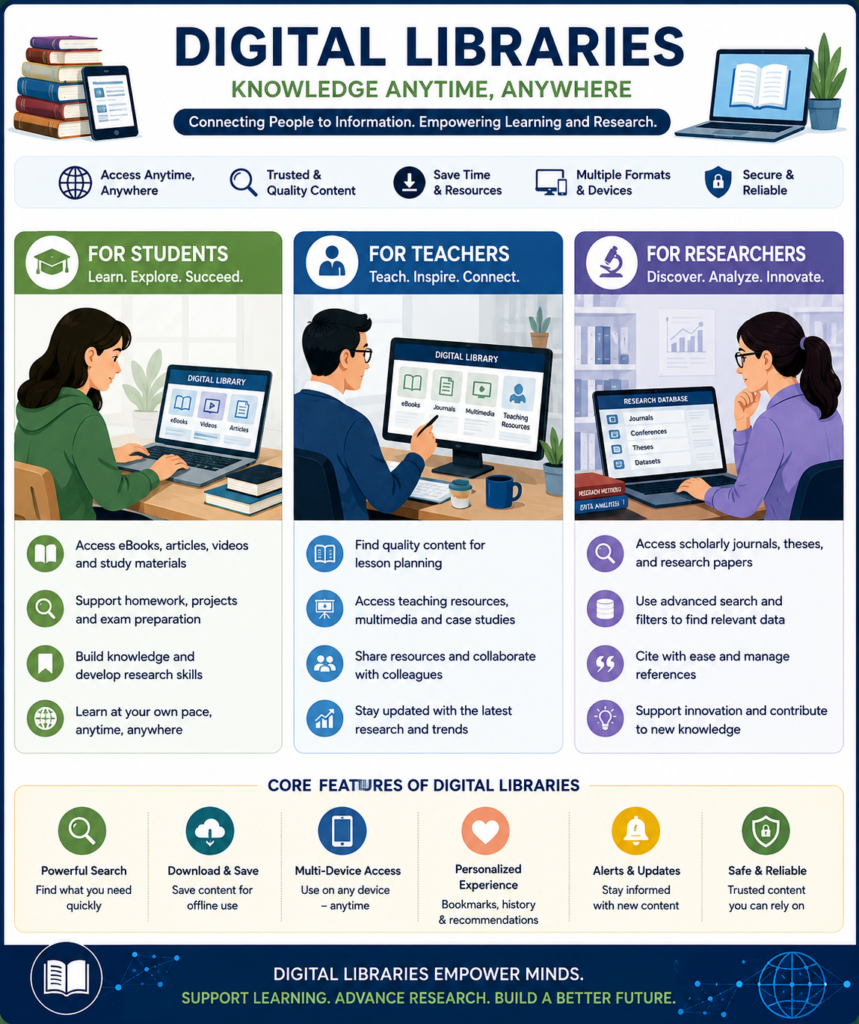
Digital libraries have transformed education by making knowledge more accessible, flexible, and efficient. They help students learn independently, support teachers with updated resources, and provide researchers with reliable academic information.
As technology continues to advance, digital libraries will become even more important in creating equal learning opportunities and supporting innovation in education. By combining traditional educational values with modern technology, digital libraries are helping shape the future of learning for people around the world.
Frequently Asked Questions (FAQs)
1. How do digital libraries improve education?
Digital libraries provide quick access to educational resources, support online learning, and encourage independent study.
2. Why are digital libraries important for students?
They allow students to access books, journals, and research materials anytime, making learning more flexible and efficient.
3. How do teachers benefit from digital libraries?
Teachers can access updated teaching materials, lesson plans, and academic resources to improve classroom instruction.
4. Can digital libraries support online education?
Yes. They provide the books, journals, and research materials needed for successful online learning.
5. What are the biggest challenges of digital libraries?
Internet access, copyright restrictions, digital literacy, and information overload are some common challenges.
6. What is the future of digital libraries?
Future digital libraries will use artificial intelligence, cloud computing, and personalized learning technologies to improve access to educational resources.